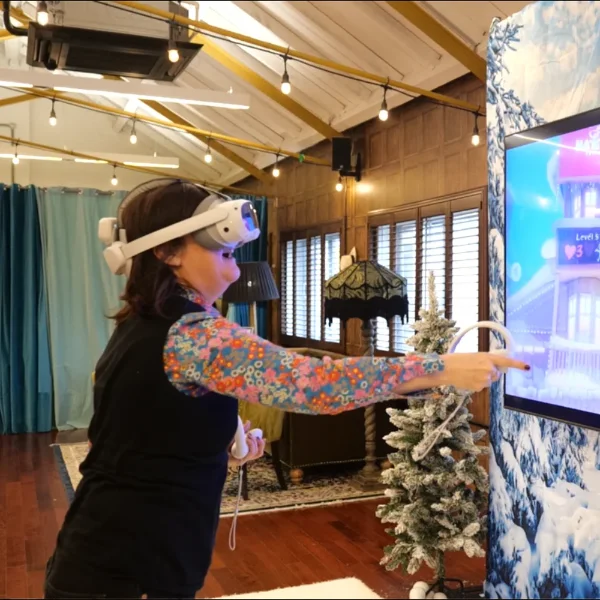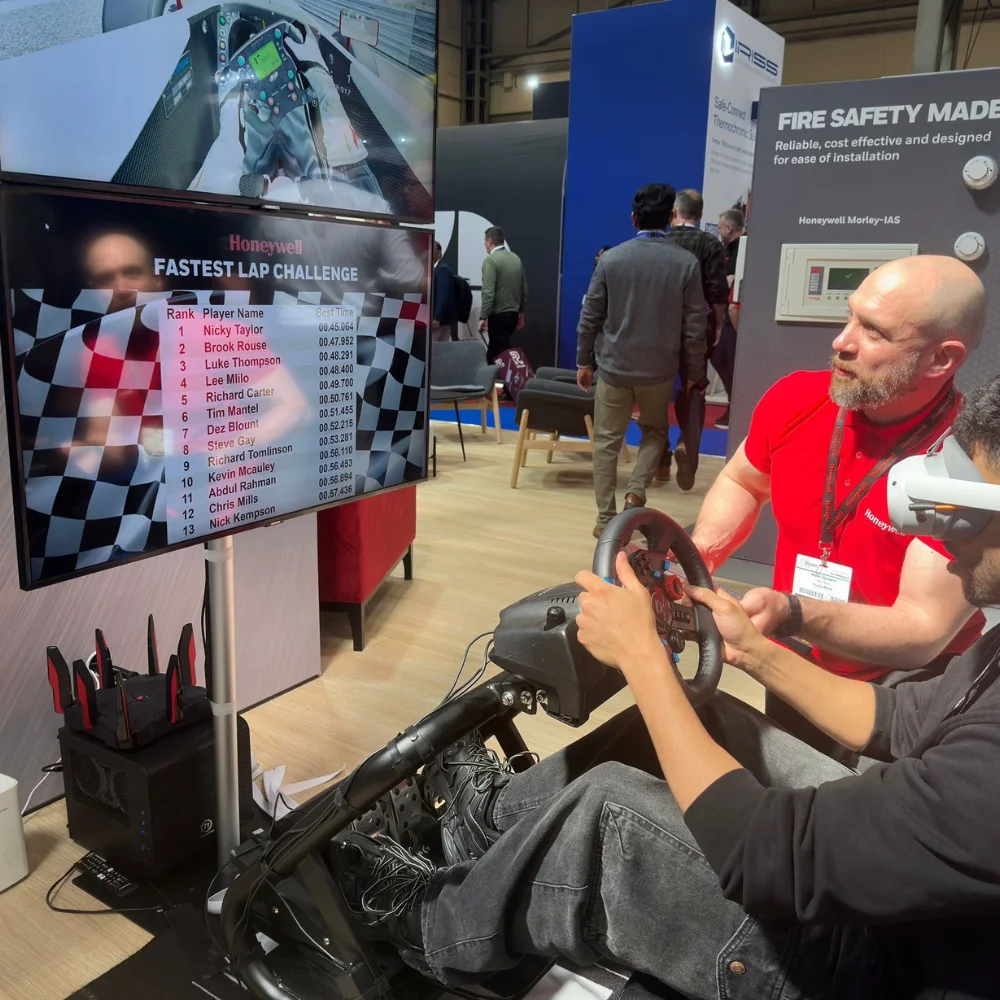
A brand activation is an experience designed to move people from simply seeing a brand to actively engaging with it. Instead of asking an audience to watch another advert or read another claim, an activation gives them something relevant to do: play, explore, compete, discover or create.
The best activations are not memorable because they use expensive technology. They are memorable because the activity, audience and brand message work together—and because there is a clear next step after somebody takes part.
What is a brand activation?
A brand activation is a campaign or live experience that encourages direct participation. It might take place at an exhibition, inside a partner’s office, during a product launch, at a public event or through a digital game that people can access from a web browser.
The format can vary enormously, but the purpose is consistent: create a meaningful interaction that helps the audience understand, remember or respond to the brand.
What should a brand activation achieve?
“Engagement” is too broad to be useful on its own. Before selecting an activity, decide what success should look like. Common objectives include:
- Attracting attention: giving attendees a strong reason to stop at an exhibition stand or campaign space.
- Increasing dwell time: creating enough interest for a useful conversation to begin naturally.
- Explaining a product: turning features, processes or technical information into something visual and interactive.
- Engaging partner or sales teams: helping the people who represent your offer understand and remember it.
- Capturing relevant leads: collecting agreed information or introducing suitable prospects to the right salesperson.
- Creating campaign reach: encouraging competition, sharing or repeat participation beyond the first interaction.
The objective affects every other choice—from the length of each round to the questions a host asks and the information collected at the end.
Three useful activation formats
1. Live competitive games
Racing simulators, reaction challenges, skill games and live leaderboards work well when you need visible energy. Short rounds make it easy for people to join, while scores give colleagues and visitors a reason to watch, return and challenge one another.
The branding should feel connected to the campaign rather than added as decoration. Screens, equipment, leaderboards, host scripts and prizes can all reinforce the same message. Explore our approach to gamification marketing.
2. Immersive and 360° experiences
Virtual reality and 360° content are strongest when they let the audience access something that would otherwise be difficult to show: a distant environment, a product in use, a future concept or the story behind a process.
A headset by itself is not the activation. The surrounding journey still matters: how the guest is welcomed, what they should look for, how long the experience lasts and what happens when it ends. See our 360° brand experience service.
3. Digital branded games
A browser-based game can extend a campaign beyond a physical event. It can support lead capture, product education, competitions or partner engagement without asking participants to install specialist software.
Keep the action simple, the session short and the reason to play obvious. A complicated game with a logo is rarely as effective as a focused mechanic that supports one clear campaign message.
How to plan an activation that works
- Define the audience. Exhibition visitors, existing customers, partner sales teams and the general public will respond differently.
- Choose one primary objective. You can measure several things, but the experience needs a clear priority.
- Match the format to the environment. Consider space, noise, power, queues, accessibility, session length and staff availability.
- Plan the human interaction. Decide who welcomes participants, explains the activity and takes the conversation forward.
- Agree the next step. This could be a sales introduction, follow-up request, prize entry, content download or invitation to play again.
- Measure useful outcomes. Track participation, qualified conversations, completion rate and follow-up—not only footfall.
How do you measure a brand activation?
The right measures depend on the objective. Useful examples include the number of participants, average dwell time, repeat plays, completed lead forms, qualified introductions, booked follow-ups and campaign engagement after the event.
Agree these measures before delivery. If the sales team wants qualified conversations, the hosts need suitable questions and a clear handover process. If the objective is awareness, the activity needs to reinforce the message strongly enough for people to recall it afterwards.
Common mistakes to avoid
- Choosing technology before deciding what the audience should learn or do.
- Making each round too long for a busy event environment.
- Expecting equipment to attract and manage participants without confident hosts.
- Collecting information without planning how it will be used.
- Using branding that is visible but disconnected from the experience.
- Forgetting queue space, sound, power, accessibility or setup access.
Bring the brand to life
Fuzzy Brick creates hosted games and interactive experiences for exhibitions, partner engagement and digital campaigns. We start with the audience and objective, then recommend the right format, branding and delivery plan.
Explore our brand activation services or tell us what you want people to do next.